Veterinary Supplier in Dubai | UAE
TVG news, events and articles
News | Announcements | Articles
FILTER BY
Are you a clinic or business and would like to sell / use our products?
April 21 2026
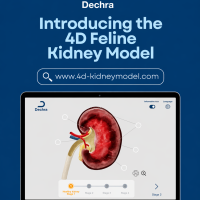
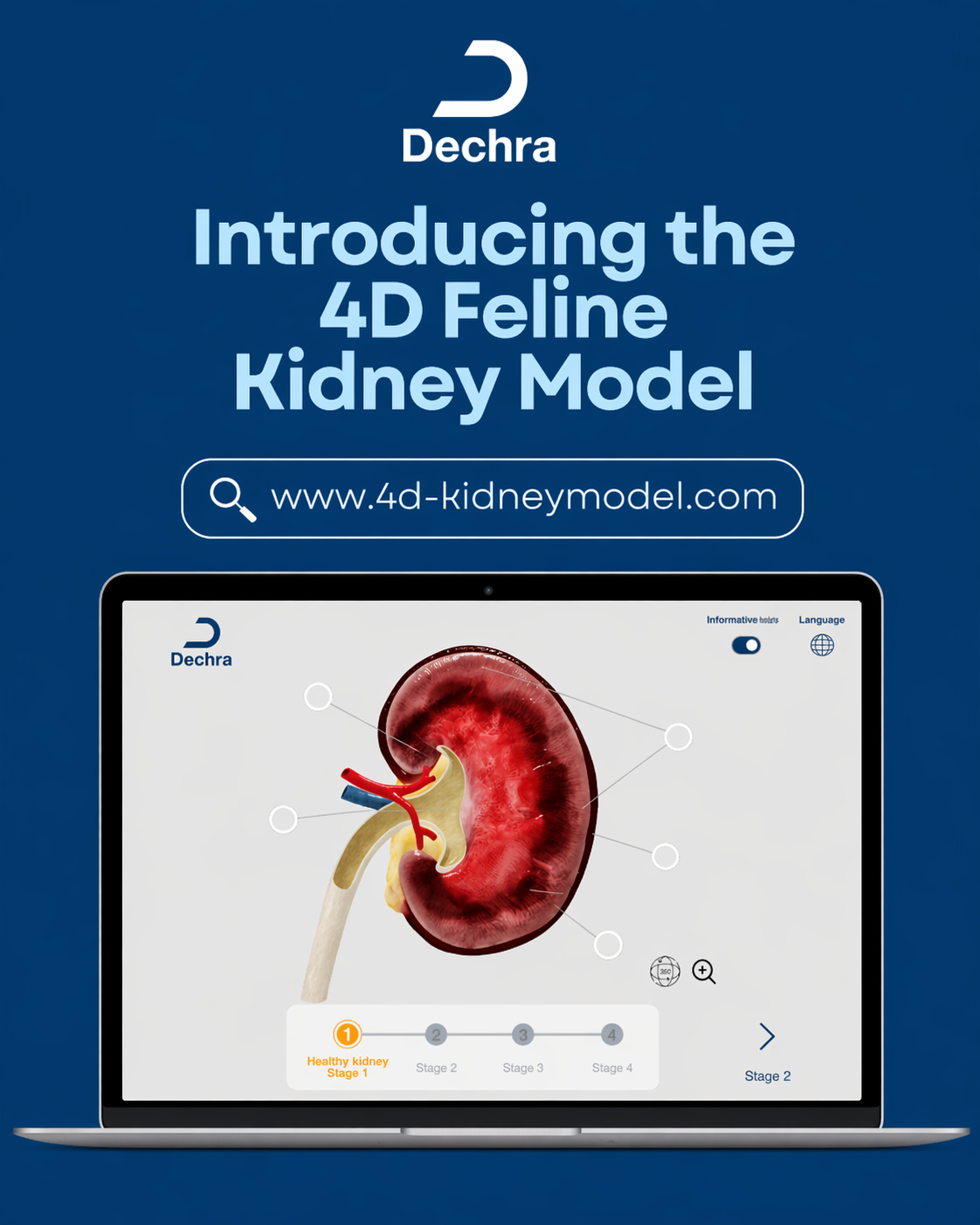
Feline chronic kidney disease (CKD) is one of the most commonly managed conditions in small animal practice, requiring clear communication to support effective long-term care. In the UAE, as in other regions, early detection and effective client communication continue to present challenges in everyday practice. Clinical signs are often subtle and may be mistaken for normal ageing, which can result in diagnosis at more advanced stages of disease progression. For veterinarians, clearly explaining the progression and long-term implications of CKD is essential to supporting successful case management.  A New Standard in Visual Education for Veterinary Practice The Dechra 4D Kidney Model has been developed as an advanced, interactive visual tool designed to support veterinary professionals in explaining feline CKD more clearly and effectively. Unlike static diagrams, the model provides: A dynamic, visual representation of kidney structure Clear illustration of disease progression over time A structured way to explain complex pathophysiology in a simplified format This allows veterinary teams to move beyond verbal explanations and utilise visual learning to enhance client comprehension.  One of the key challenges in managing CKD is ensuring that pet owners fully understand: The progressive nature of the disease The impact on kidney function The importance of ongoing management The 4D model addresses this by visually demonstrating how the feline kidney changes as CKD progresses. Why this matters in practice: Improved client understandingVisual explanation supports clearer communication compared to verbal descriptions alone More meaningful consultationsComplex discussions become more structured and easier to follow Stronger client engagementOwners are more likely to participate actively in treatment decisions Effective communication is directly linked to compliance and treatment success. When owners understand the disease: They are more likely to recognise clinical signs early They are more committed to monitoring and follow-up They better understand the importance of long-term management strategies The 4D Kidney Model provides a consistent and reliable framework for these discussions, supporting veterinary teams in UAE to delivering clear, evidence-based guidance. The model is designed for ease of use in a clinical setting: Compatible across multiple devices Accessible during consultations or follow-ups Available in multiple languages This flexibility ensures it can be seamlessly integrated into everyday practice, whether used chairside, during case discussions, or as part of client education materials.  Integrating Visual Tools into CKD Management While diagnosis and treatment protocols remain central to CKD management, communication tools such as the 4D Kidney Model play an increasingly important role in: Enhancing client education Supporting informed decision-making Reinforcing the long-term nature of disease management By improving how information is delivered, veterinary teams can strengthen the overall standard of care provided to feline patients. Chronic kidney disease in cats presents ongoing challenges in both diagnosis and long-term management. However, improving how the disease is communicated can significantly influence outcomes. The Dechra 4D Kidney Model offers a practical, clinically relevant solution- helping veterinary professionals translate complex medical concepts into clear, visual explanations that support better understanding, engagement, and care. Explore the 4D Kidney Model to support clearer client communication and improve understanding of feline CKD in practice.👉 https://www.4d-kidneymodel.com/ This model can be used alongside other CKD management resources and supportive care strategies - such as nutritional support and appetite stimulation where appropriate - to support a more comprehensive approach to feline renal care.
April 20 2026
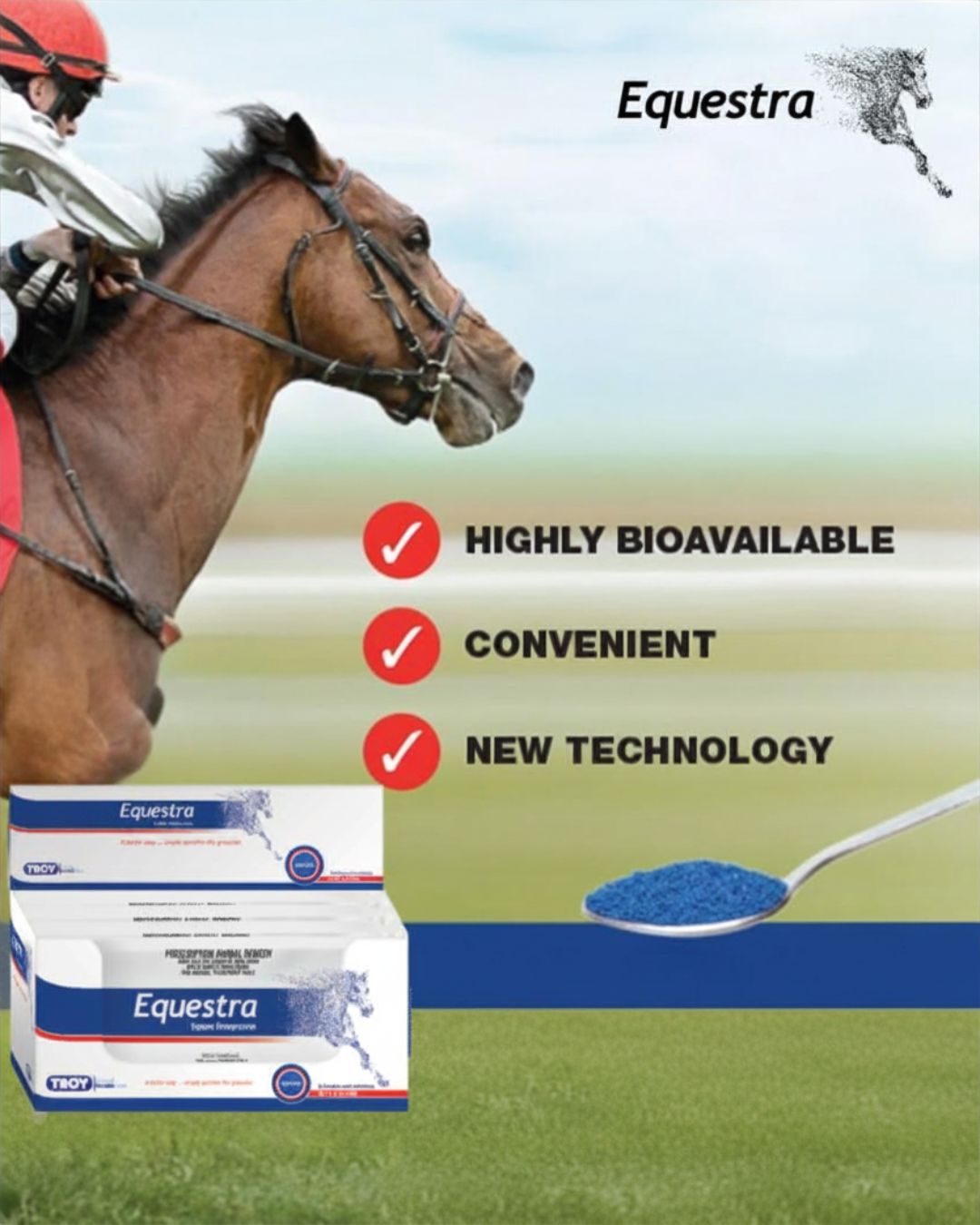
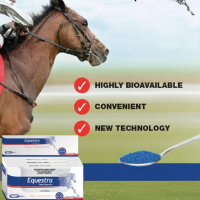
Equine gastric ulcers are one of the most common causes of poor performance in horses. In the UAE, treatment typically involves omeprazole therapy to reduce stomach acid and support healing. Early and consistent treatment is essential to prevent recurrence. Equestra® Equine Omeprazole: Managing Equine Gastric Ulcers Equine Gastric Ulcer Syndrome (EGUS) remains one of the most prevalent conditions affecting performance horses, particularly those in intensive training and management systems. Clinical signs such as reduced appetite, poor performance, behavioural changes, and intermittent colic are commonly reported. Effective management of EGUS relies on consistent acid suppression, appropriate dosing, and practical administration strategies that ensure compliance. Equestra® Equine Omeprazole introduces a novel in-feed granule formulation, designed to address both pharmacological and practical limitations associated with traditional oral paste therapies. Understanding Gastric Ulcers in Horses EGUS encompasses two primary disease types: Equine Squamous Gastric Disease (ESGD) – primarily driven by acid exposure Equine Glandular Gastric Disease (EGGD) – associated with impaired mucosal defence and stress-related factors In performance horses, periods without feed combined with exercise can increase acid exposure in the stomach, leading to mucosal damage. Did you know up to 90% of racehorses may be affected by gastric ulcers? Click on image below learn why. Learn more about  Mechanism of Action: Why Omeprazole Matters Omeprazole is a proton pump inhibitor (PPI) that works by: Binding to the H+/K+ ATPase enzyme in gastric parietal cells Inhibiting hydrochloric acid secretion Increasing gastric pH, allowing ulcer healing This reduction in acidity enables the stomach lining to repair, with clinical improvement often observed within two weeks of treatment initiation.   What Makes Equestra® Different? 1. Enteric-Coated Granule Technology Equestra is formulated as enteric-coated granules, designed to: Protect omeprazole from degradation in the acidic stomach environment Ensure delivery to the small intestine, where absorption occurs This is critical, as omeprazole must be absorbed systemically before exerting its effect.  2. Improved Bioavailability Clinical data demonstrates: ~55% bioavailability for Equestra granules Compared to ~15–17% for oral paste formulations This results in: Greater systemic exposure to the active ingredient Potential for more consistent therapeutic effect In a 500 kg horse, this translates to: ~550 mg absorbed with Equestra Compared to significantly lower absorption with some paste formulations 3. Proven Pharmacokinetics and Clinical Performance Published pharmacokinetic and pharmacodynamic studies show: Comparable or improved plasma concentrations versus oral pastes Effective gastric pH control Bioequivalence across key pharmacodynamic parameters Additionally: Equestra demonstrates rapid absorption, reducing feeding wait time from 60 minutes to 30 minutes 4. In-Feed Administration: Practical Advantages Equestra is administered by: Sprinkling granules onto a small amount of feed This offers clear advantages: Eliminates need to restrain horses for dosing Reduces stress for both horse and handler Improves dosing compliance Studies indicate that the formulation is readily consumed by horses, supporting its use as an alternative to paste formulations.  Clinical Use and Dosing Treatment dose: 2 mg/kg once daily for 2 weeks Maintenance dose: 1 mg/kg once daily to prevent recurrence Consistent daily administration is essential, as: Ulcers can recur within two weeks if treatment is discontinued Safety Profile - Equestra is: Classified as not hazardous under standard criteria Not considered a dangerous good for transport Generally well tolerated when used as directed Standard handling precautions (e.g., avoiding contact with eyes/skin) are recommended. Practical Considerations for Veterinary Use For veterinarians, Equestra offers: A compliance-friendly alternative to oral paste Improved pharmacokinetic performance Flexible use for  performance horses in the UAE that remain in training For horse owners, this translates to: Easier daily administration Reduced stress during treatment Greater confidence that the full dose is consumed Effective management of equine gastric ulcers requires both pharmacological efficacy and practical administration. Equestra® Equine Omeprazole combines: Enteric-coated delivery Increased bioavailability In-feed convenience This positions it as a modern alternative to traditional omeprazole pastes, supporting both clinical outcomes and day-to-day usability in the field. Frequently Asked Questions About Equine Gastric Ulcers What is the best treatment for equine gastric ulcers in the UAE? Omeprazole is the most widely used and recognised treatment for equine gastric ulcers.It works by suppressing gastric acid production, increasing stomach pH, and creating conditions that allow ulcers to heal. Consistent daily dosing is essential to achieve effective acid suppression and support healing. How does omeprazole work in horses? Omeprazole reduces stomach acid by blocking the proton pump in gastric cells.It inhibits the H+/K+ ATPase enzyme in gastric parietal cells, decreasing hydrochloric acid secretion and raising gastric pH. This allows the stomach lining to repair and supports ulcer healing. What is Equestra® and how is it different from oral paste omeprazole? Equestra® is an in-feed omeprazole formulation designed for ease of administration and consistent dosing.It is presented as enteric-coated granules and differs from oral pastes by: Being administered by sprinkling onto feed Eliminating the need to restrain horses for dosing Protecting the active ingredient through the stomach via enteric coating These features support improved practicality and compliance in everyday use. Explore Equestra® Equine Omeprazole here Is Equestra® more bioavailable than paste formulations? Equestra® granules demonstrate higher bioavailability compared to some oral paste formulations.Clinical data indicates approximately 55% bioavailability for Equestra, compared to around 15–17% for certain paste formulations. Higher bioavailability means a greater proportion of the active ingredient is absorbed systemically. How is Equestra® administered to horses? Equestra® is administered by sprinkling granules onto a small amount of feed before the main meal.This approach helps ensure the full dose is consumed and avoids the need for oral syringe administration, making treatment more practical in the field. How long does it take for equine gastric ulcers to heal? Clinical improvement is often seen within approximately two weeks of treatment.With effective acid suppression using omeprazole, gastric acidity is reduced to a non-irritating level, allowing the stomach lining to heal and clinical signs to improve. Can gastric ulcers return after treatment? Yes, gastric ulcers can recur if treatment is stopped without maintenance management.Evidence indicates that ulcers may return within two weeks after discontinuing treatment. Ongoing management, including maintenance dosing and appropriate feeding practices, is important to reduce recurrence. Why are gastric ulcers common in performance horses? Performance horses are at increased risk due to management and training factors.Key contributing factors include: Periods without feed Intensive exercise Increased exposure of the stomach lining to gastric acid These conditions increase the likelihood of mucosal damage and ulcer formation. What are the common signs of gastric ulcers in horses? Common clinical signs include: Reduced appetite Poor performance Behavioural changes Intermittent colic Does feeding affect omeprazole absorption? Yes, feeding practices can influence omeprazole absorption.Equestra®’s enteric-coated granules are designed to pass through the stomach and be absorbed in the small intestine, helping to optimise systemic uptake when administered correctly. Learn more about Equestra Equine Omeprazole available in the UAE or Speak to our team based in Dubai at sales@thevet.group 
April 10 2026
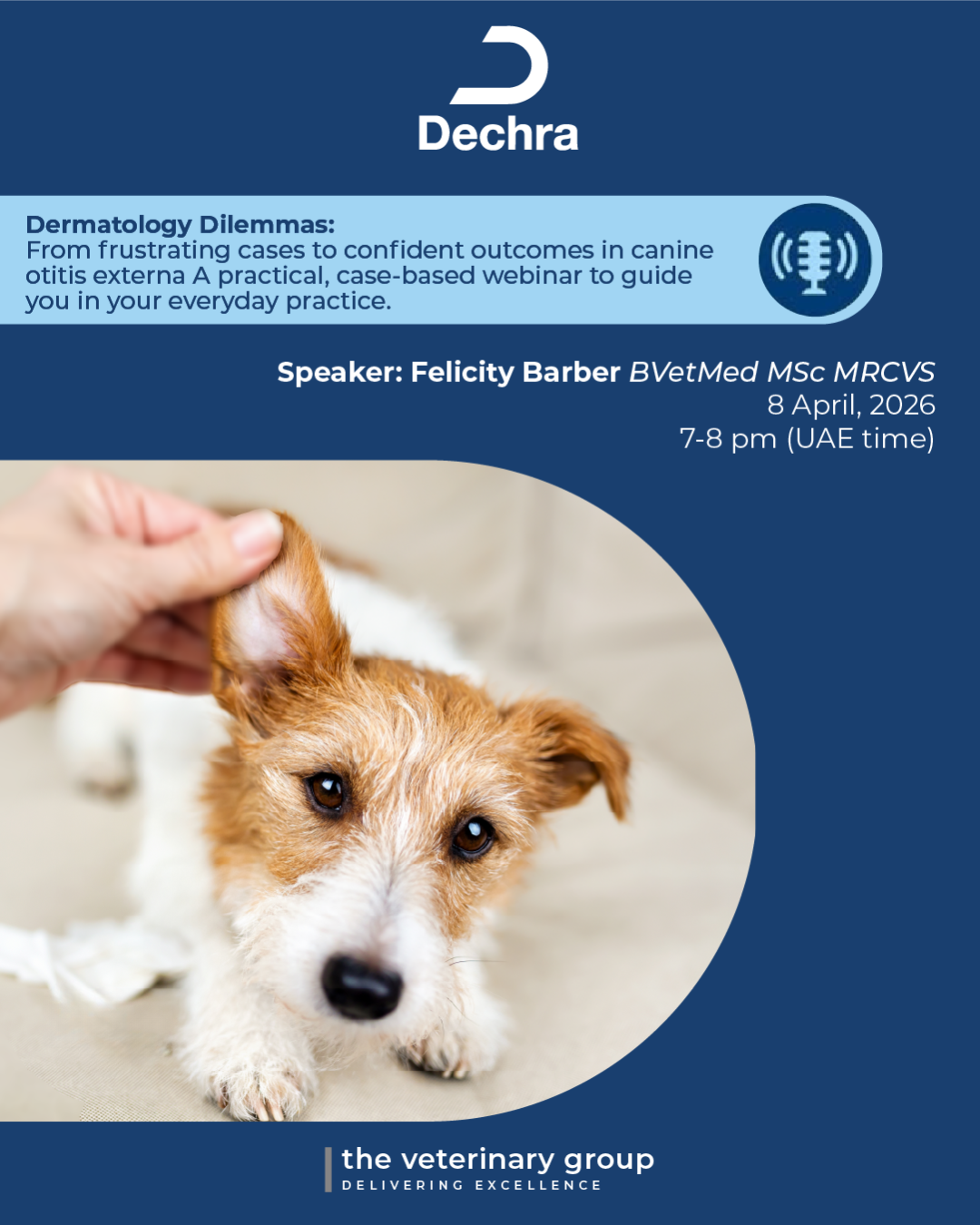
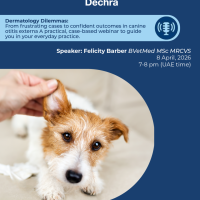
Advancing Canine Otitis Externa Management: Key Insights from the Dechra Educational Webinar (Dubai, UAE) A practical, case-based approach to improving clinical outcomes in ear disease Veterinarians across the UAE joined The Veterinary Group (TVG) and Dechra for the latest session in the Dechra Educational Series, focusing on one of the most common and often frustrating conditions in small animal practice: canine otitis externa. This live webinar presented by Dr. Felicity Barber, BVetMed MSc MRCVS Technical Manager, DVP International  - explored practical, evidence-based approaches to diagnosis, treatment, and long-term management-helping veterinary professionals move from recurring cases to more confident clinical outcomes. Otitis externa is not a standalone condition A key takeaway from the session is that ear disease does not occur in isolation and should always be approached as a multifactorial condition . The webinar introduced Dechra’s structured framework: The 4Ts of Otitis Management Think – Recognise otitis as multifactorial Timing – Intervene early to prevent chronic changes Tailor – Individualise treatment for each patient Teamwork – Engage both the veterinary teamand pet owner. This approach emphasises that successful management depends on identifying and addressing multiple contributing factors, not just treating symptoms. Understanding the underlying causes: PSPP model Effective diagnosis requires identifying the full disease picture using the PSPP model: Primary causes (e.g. allergies) Secondary infections (bacterial/yeast overgrowth) Predisposing factors (ear conformation, environment) Perpetuating factors (chronic inflammation, fibrosis) As highlighted in the webinar, failure to address all four components can prevent resolution and lead to recurrent cases . Why cytology remains essential in UAE veterinary practice The session reinforced the importance of ear cytology as a core diagnostic tool, guiding: Identification of microbial populations Appropriate antimicrobial selection Monitoring treatment response Without cytology, treatment decisions may lack precision-impacting outcomes and antimicrobial stewardship. Treatment considerations: more than just medication Veterinarians were encouraged to assess multiple factors when selecting treatment protocols: Type of otitis and discharge Microbial involvement Level of inflammation Antimicrobial guidelines Ease of use and owner compliance Cost considerations Importantly, the webinar highlighted that compliance and ease of administration can significantly influence treatment success, especially in difficult patients. Case-based learning: improving real-world outcomes Through clinical case examples (such as “Sammy,” a recurrent otitis case), the session demonstrated how: Previous treatment challenges (e.g. difficulty administering drops) impact compliance Behavioural considerations must be addressed alongside medical therapy Each case requires an individualised plan This reinforces the principle that “every ear is individual” in clinical practice . Evidence-based outcomes: quality of life matters The webinar also reviewed published data showing that treatment approach can influence both patient and owner quality of life. A controlled study comparing treatment protocols found: Significant improvement in dog quality of life within 7–28 days Measurable improvements in owner experience and compliance This highlights the importance of selecting therapies that are not only clinically effective but also practical for owners. Long-term management: preventing recurrence Successful otitis management extends beyond initial treatment. The webinar outlined two key phases: 1. Induction Phase Ear cleaning Antimicrobial therapy Anti-inflammatory treatment 2. Maintenance Phase Regular ear care Ongoing management of primary causes (e.g. atopic dermatitis) Prevention of relapse Long-term success depends on addressing the underlying condition—not just resolving acute symptoms . Access the full resource materials Veterinary professionals who want to deepen their understanding of otitis externa management can access: Webinar slides and case discussions - See presentation here  Cytology reference materials - Resource link Clinical resources and tools - 4D Ear model Pet owner support site - Lifelong Ear Partnership  👉 Access the product ordering pages for Dechra (Malacetic, Osurnia & Canuaral)   Stay connected for upcoming sessions in the Dechra Educational Series. speak to our team at sales@thevet.group or contact us at +971 6 5395443
March 31 2026
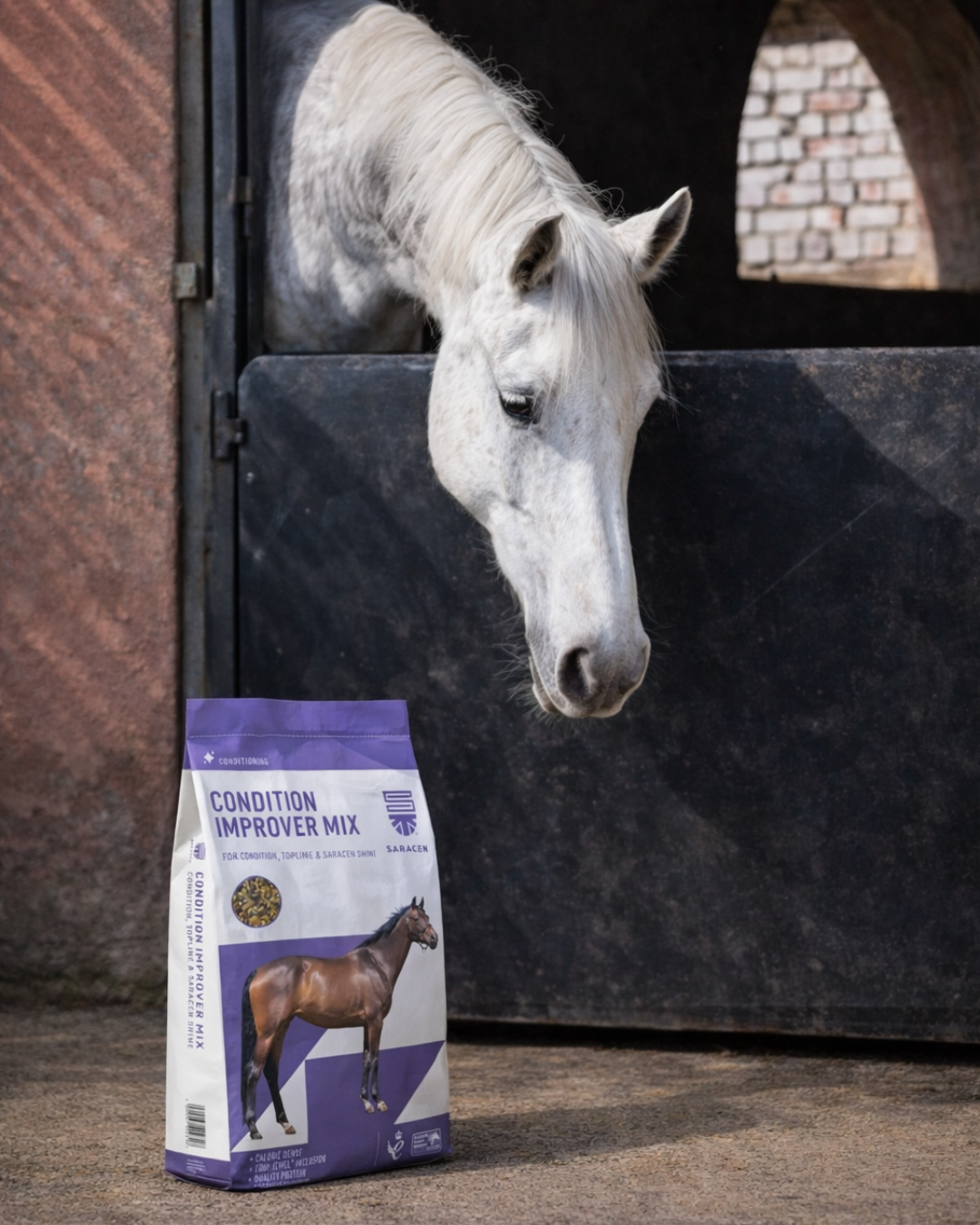
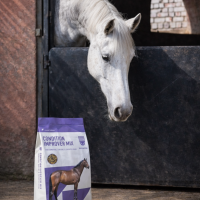
Maintaining optimal body condition in horses can be challenging in the UAE, where climate, workload, and feeding management all play a role. Many horse owners struggle with horses that fail to gain weight, lack topline, or do not achieve the desired coat finish - despite increasing feed. The solution is not always feeding more. It is about feeding smarter, with the right nutritional balance. Horses in the UAE face unique environmental and management factors that can impact condition: High temperatures may reduce appetite and increase energy requirements Training and competition schedules increase calorie demand Digestive sensitivity to high-starch diets Poor feed efficiency - where horses eat but do not gain condition Increasing feed volume alone can lead to: Digestive upset Excess starch intake Unpredictable energy levels This is why modern equine nutrition focuses on calorie density, digestibility, and controlled energy release. What Is a Conditioning Feed? A conditioning feed is a calorie-dense, nutritionally balanced diet designed to support: Gradual, controlled weight gain Topline (muscle) development Coat condition and overall appearance One example is Saracen Condition Improver Mix, formulated to provide high energy, quality protein, and digestive support in a single balanced feed.   How to Safely Improve Weight and Condition in Horses 1. Focus on Calorie Density, Not Volume Horses with poor condition often benefit from higher energy per kg of feed, rather than larger meal sizes. Condition Improver Mix provides approximately 13 MJ/kg of digestible energy, allowing: Weight gain without excessive feed volume Better intake for horses with reduced appetite 2. Support Topline with Quality Protein Topline is not just about weight - it is about muscle development. Key nutrients include: Alfalfa, soya, and peas (quality protein sources) Essential amino acids for muscle repair and growth This supports: Improved topline Better performance condition Stronger overall physique 3. Use Oil-Based Energy Instead of High Starch Traditional high-starch feeds can cause: Energy spikes Digestive disturbances Conditioning feeds include oil-based energy sources, such as EQUI-JEWEL® (stabilised rice bran), which provide: High-calorie support Slow-release energy Improved coat condition This is particularly beneficial for horses that need energy without becoming overly excitable.  4. Prioritise Digestive Health Weight gain depends on how well nutrients are absorbed. Condition Improver Mix includes live yeast, which helps: Support hindgut function Improve fibre digestion Maintain a stable digestive environment A healthy gut leads to: Better feed utilisation More efficient condition gain 5. Maintain Balanced Energy for Rideability In performance and leisure horses alike, energy must be controlled and consistent. Condition Improver Mix is: Oat-free Designed to provide controlled energy release This makes it suitable for: Horses with a calm or laid-back temperament Horses needing more energy without behavioural changes Who Should Use a Conditioning Feed? A conditioning diet is ideal for: Horses that struggle to gain or maintain weight Show horses requiring topline and coat finish Horses in work needing additional calories Horses sensitive to high-starch diets Conditioning Feed Benefits at a Glance âś” Supports gradual, controlled weight gainâś” Promotes topline and muscle developmentâś” Enhances coat shine and skin healthâś” Provides balanced, digestible energyâś” Supports digestive health and nutrient absorption Frequently Asked Questions Q: What is the best feed for weight gain in horses in the UAE? A: A calorie-dense conditioning feed with oil-based energy, quality protein, and digestive support is generally recommended. Q: How can I improve my horse’s topline? A: Focus on feeds that provide high-quality protein and amino acids, alongside consistent training. Q: Is high-starch feed good for weight gain? A: Not always. Excess starch can lead to digestive issues and unstable energy. Oil-based energy sources are often preferred. Conditioning is a nutritional strategy, not just a feeding increase. By focusing on digestibility, calorie density, and balanced nutrients, horse owners can safely improve weight, topline, and overall condition. Need to speak to our team? Contact us at sales@thevet.group  
November 17 2025
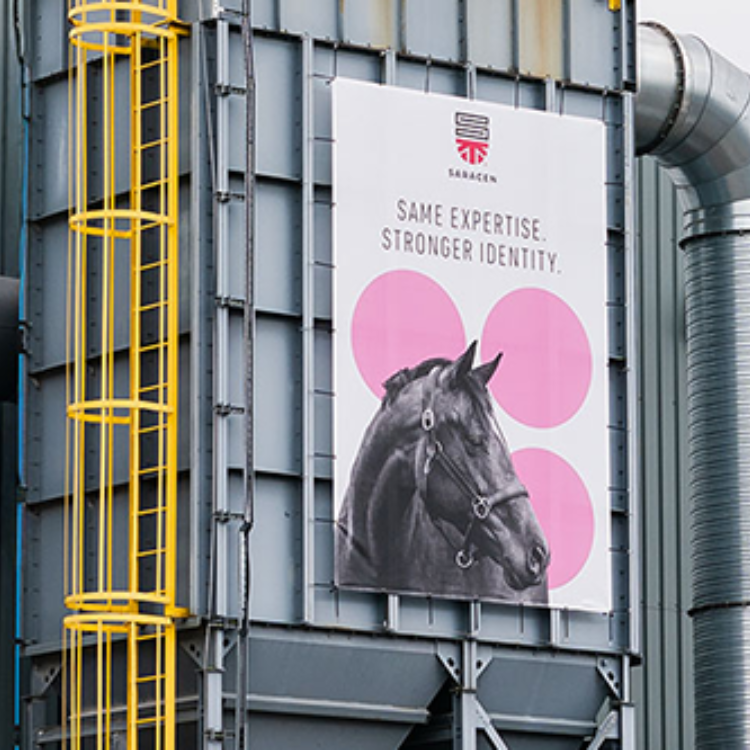
At TVG, we’re thrilled to share big news: Saracen Horse Feeds, one of the world’s most trusted and scientifically driven equine nutrition brands, has officially re-branded - unveiling a cleaner, more modern identity, while keeping all the performance and quality that horse owners love. As Saracen’s authorised distributor in the UAE, we’re proud to bring this fresh brand experience to our clients, riders, and stables across the region. A Brand Evolution Rooted in Heritage & Science Saracen’s rebrand is not just a cosmetic update - it's a thoughtful evolution. While the logo, packaging, and website have all been modernised for clarity and sustainability, the core of Saracen’s mission remains unchanged: delivering evidence-based equine nutrition, formulated with the support of Kentucky Equine Research (KER).  The new colour-coded ranges make it easier than ever to find the right feed for your horse’s specific needs - whether you're managing a competition horse, a veteran, or a leisure companion.                 What’s Changed...and What Hasn’t âś… What’s New: Refreshed Packaging Design - Saracen has redesigned its feed bags to be more visually intuitive, using colour-coded categories for quick identification. Sustainable Packaging - The new bags use less ink and more recyclable materials, aligning with Saracen’s commitment to environmental responsibility.  âť— What Has Not Changed: Formulas Remain the Same -  The nutritional recipes of all Saracen feeds, including performance, conditioning, and specialist lines, are unchanged.  Feeding Rates & Advice -  The recommended feeding rates and nutritional profiles remain identical - you will still feed by the same guidelines you’re familiar with.  Trusted Quality -  Saracen’s decades of experience and its partnership with KER continue to ensure premium, scientifically supported feed.  Why This Rebrand Matters for the UAE Market Clarity for Local Riders & StablesWith the new colour-coded system, equestrian professionals in the UAE can more easily identify the right Saracen feed for their discipline - from showjumpers to endurance horses to senior companions. Sustainability That ResonatesAs awareness of environmental impact grows, the updated, more sustainable packaging shows Saracen’s commitment to reducing waste — something that aligns with our values at TVG as a responsible distributor. Improved AccessibilityThrough TVG, UAE customers now benefit from not just the refreshed Saracen brand, but also enhanced support: whether for nutrition advice, feed planning, or order fulfillment, our team is more equipped than ever to help. This rebrand also comes at a moment of recognition: Saracen Horse Feeds recently won the prestigious King’s Award for Enterprise for International Trade, a testament to their global reach, quality, and innovation.  For TVG and our clients, this underscores why partnering with Saracen is more than just a business decision - it's aligning with a brand that’s recognised for excellence and sustained growth. If you’re a rider, trainer, or stable manager in the UAE: Reach out to TVG for a branding-aware feed plan - we can help you navigate Saracen’s new colour-coded system to find your optimal feeds. Have a look at the new packaging HERE  Ask us for a yard visit or tailor-made nutrition consultation to match your horses’ workloads, age, and goals. Speak to our sales team at sales@thevet.group   
November 11 2025
In the fast-moving world of equine veterinary medicine, precision, and efficiency are essential. To support veterinarians in achieving all three, Dechra Veterinary Products has developed the Dechra Equine Anaesthesia App – it’s a practical, evidence-based tool designed to make anaesthesia management easier and more reliable. Available on both the App Store and Google Play, this intuitive mobile app places a wealth of anaesthesia knowledge directly into the hands of equine veterinarians, veterinary nurses, and students. A Smarter Way to Plan and Perform Equine Anaesthesia The Dechra Equine Anaesthesia App acts as a quick-reference companion for the field or the clinic. It offers detailed, expert-verified protocols for: Standing sedation General anaesthesia Constant Rate Infusions (CRIs) Total Intravenous Anaesthesia (TIVA) Partial Intravenous Anaesthesia (PIVA) Each protocol includes built-in dose and rate calculators that help practitioners determine the optimal administration for each patient. Users can also create, customise, and save their own preferred protocols, allowing for quick access during repeat procedures. The app’s offline functionality makes it ideal for ambulatory equine work - ensuring veterinarians always have access to critical anaesthetic information, even in remote areas or at live events such as show-jumping competitions. Designed for Daily Practice Beyond its practicality, the Dechra Equine Anaesthesia App supports consistency and safety in anaesthetic management. Each feature has been developed with clinical efficiency in mind - from dose accuracy and infusion rate calculation to simple data recording. Vets can generate printable or shareable summary sheets directly from the app, which can be added to patient records or discussed with team members. This streamlined approach helps ensure each anaesthetic plan is clear, documented, and repeatable. A Perfect Match for Dechra’s Equine Product Range The app has been designed to complement Dechra’s portfolio of equine anaesthesia and analgesia products. Together, they provide a complete solution - helping veterinarians deliver safe, tailored anaesthesia from preparation to recovery. As the exclusive UAE distributor for Dechra’s equine range, TVG is proud to offer both the products and the educational tools that empower veterinary professionals to perform at their best. Whether you’re refining sedation techniques, managing pain, or optimising recovery, Dechra and TVG are here to support every step of the process. Get Started Today The Dechra Equine Anaesthesia App is free to download on:📱 Google Play📱 App Store For veterinarians seeking to combine best-practice protocols with proven products, Dechra and TVG offer the perfect partnership. đź’¬ Discover the full range of Dechra equine products available through TVG.Contact our Sales team  to learn how Dechra’s anaesthesia and analgesia solutions - paired with the Equine Anaesthesia App - can help you deliver confident, consistent, and safe anaesthetic care for every horse.  

Loading...